
Making Aging in Place a Successful Collaboration.
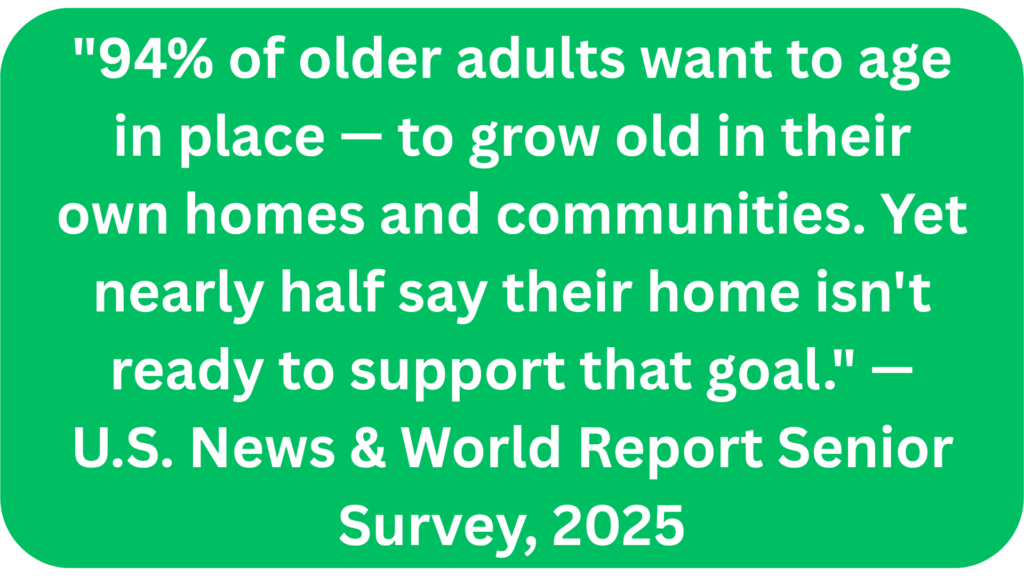
More older adults than ever want to remain in their own homes as they age — and with the right support system in place, many can do exactly that. But building that support system takes planning, honest conversation, and a realistic look at what’s needed today and what may be needed tomorrow.
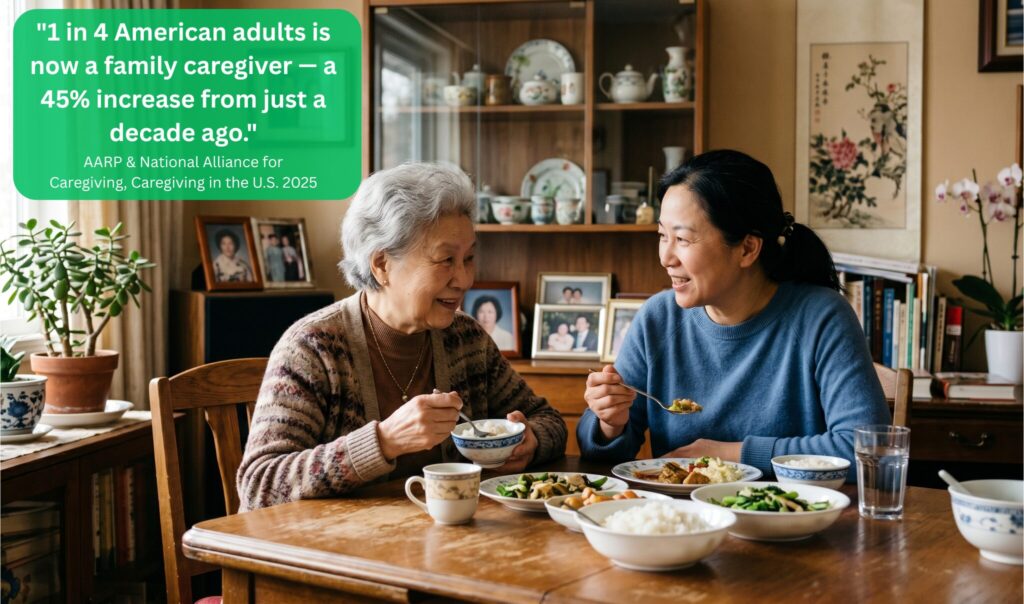
Today, one in four American adults is a family caregiver — and that number continues to grow. If you’re helping a parent or loved one navigate aging at home, you’re part of a large and often under-supported community doing incredibly important work. This guide is designed to help you do it more effectively.
Start with a Family Conversation — and Include Your Loved One
The first step is also the most important: sit down together as a family and talk openly about goals, concerns, and preferences. Too often, families make decisions about a senior without making them with the senior. Your loved one’s voice matters most in this process.
Use that first conversation to establish a few things: What does staying home successfully look like to them? What are they comfortable accepting help with, and what do they want to manage independently? What are the family’s realistic capacities and limitations?
Regular follow-up conversations — even brief ones — keep everyone aligned as needs evolve over time.
Take Stock of What the Family Can Realistically Offer
Once you’ve had that initial conversation, look honestly at what each family member can contribute. Skills matter here. A family member who loves to cook can help in the kitchen or bring meals. Someone organized and detail-oriented might manage medication tracking or coordinate appointments. A nearby family member might handle weekly check-ins while someone farther away covers financial oversight or scheduling.
The goal is to match contributions to capacity — and to make sure those carrying the heaviest load are supported, not just assumed to be managing fine.
Anticipate Changing Needs Before They Become Crises
Needs shift over time — often gradually, then suddenly. Watch for early signals that something has changed: missed bills, withdrawing from activities, unexplained weight loss, increased confusion, or reduced mobility. These aren’t just inconveniences — they’re data points that tell you when it’s time to reassess and bring in additional support.
Keep your loved one’s physician informed of any changes in physical or cognitive functioning. Staying ahead of changes rather than reacting to them is one of the most important things a family can do.
Don’t Overlook Nutrition — It’s More Central Than Most Families Realize
Nutrition is one of the most overlooked factors in a senior’s ability to remain independent. When cooking becomes difficult — whether due to mobility limitations, fatigue, cognitive changes, or simply living alone — meal quality often declines quietly before anyone notices.
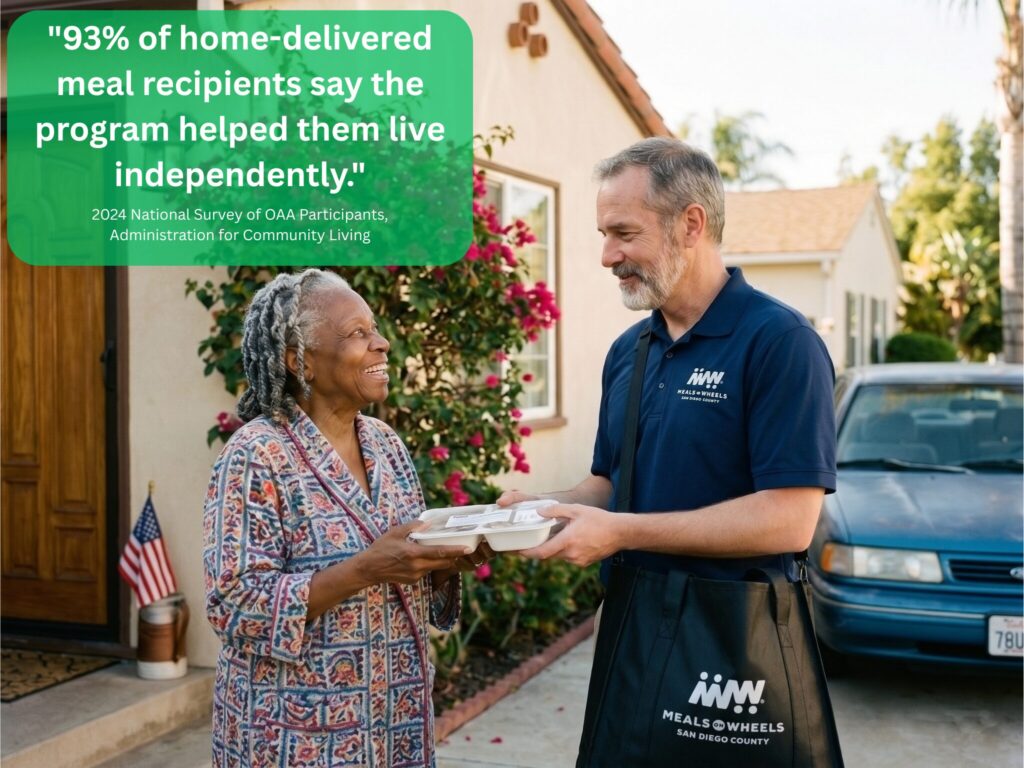
This is where home-delivered meal programs can play a meaningful role in an aging-in-place plan. According to the 2024 National Survey of OAA Participants, 93% of home-delivered meal recipients reported that the program helped them live independently, and 85% said they eat healthier because of it.
Beyond nutrition, there’s another benefit that families often find equally valuable. A 2025 study published in JAMA Network Open found that home-delivered meals relieved stress and financial strain on family caregivers, giving them more time for their own health and well-being. For families trying to balance caregiving with their own work and personal lives, that kind of practical relief matters.
Know When to Bring in Professional Help
More than half of family caregivers today are handling complex medical or nursing tasks — administering medications, managing equipment, coordinating care — yet the majority receive little to no training for these responsibilities. If your loved one’s needs are growing beyond what the family can safely manage, that’s not a failure. It’s a signal to bring in professional support.
Home care agencies can provide everything from light housekeeping and transportation to skilled nursing and personal care. A geriatric care manager can assess your loved one’s full situation and recommend the right level of support. Starting these conversations early — before a health event forces the issue — gives your family time to choose thoughtfully rather than react quickly.
Tap Into Community Resources
Families don’t have to do this alone. San Diego County has a robust network of community programs designed to support older adults living at home — including transportation assistance, in-home supportive services, wellness programs, and home-delivered meals. Your local Area Agency on Aging is one of the best starting points; they can connect you with services you may not know exist.
Programs like Meals on Wheels San Diego County provide more than just nutrition. Each delivery is also a wellness check — a familiar face arriving at the door, noticing changes, and helping seniors stay connected to their community. For families who can’t be present every day, that regular touchpoint offers meaningful peace of mind.
Prepare for Emergencies Before You Need To
Falls are one of the most serious risks for older adults living at home. Each year, 3 million older adults visit the emergency room due to fall-related injuries — many of which were preventable. An emergency plan should be in place before it’s ever needed.
At minimum, make sure your loved one has a way to call for help quickly — a medical alert device, a speed-dial setup, or a neighbor checking in regularly. Walk through the home with fall prevention in mind: remove loose rugs, improve lighting, add grab bars in the bathroom. Small changes make a meaningful difference.
Don’t Underestimate the Power of Staying Connected
Physical safety is only part of the equation. Emotional health matters just as much. Isolation and loneliness are serious health risks for homebound seniors — linked to cognitive decline, depression, and shorter life expectancy. Regular visits, phone calls, and helping a loved one maintain access to the activities and people they care about aren’t extras. They’re essential.
Helping someone age in place successfully is one of the most meaningful things a family can do. It requires planning, flexibility, and a willingness to ask for help — but with the right support system, including community resources like home-delivered meals, it’s absolutely achievable.
Meals on Wheels San Diego County provides home-delivered meals, wellness checks, and connection to community resources for older adults across San Diego County. To learn more about our services or refer a loved one, visit our Services page.